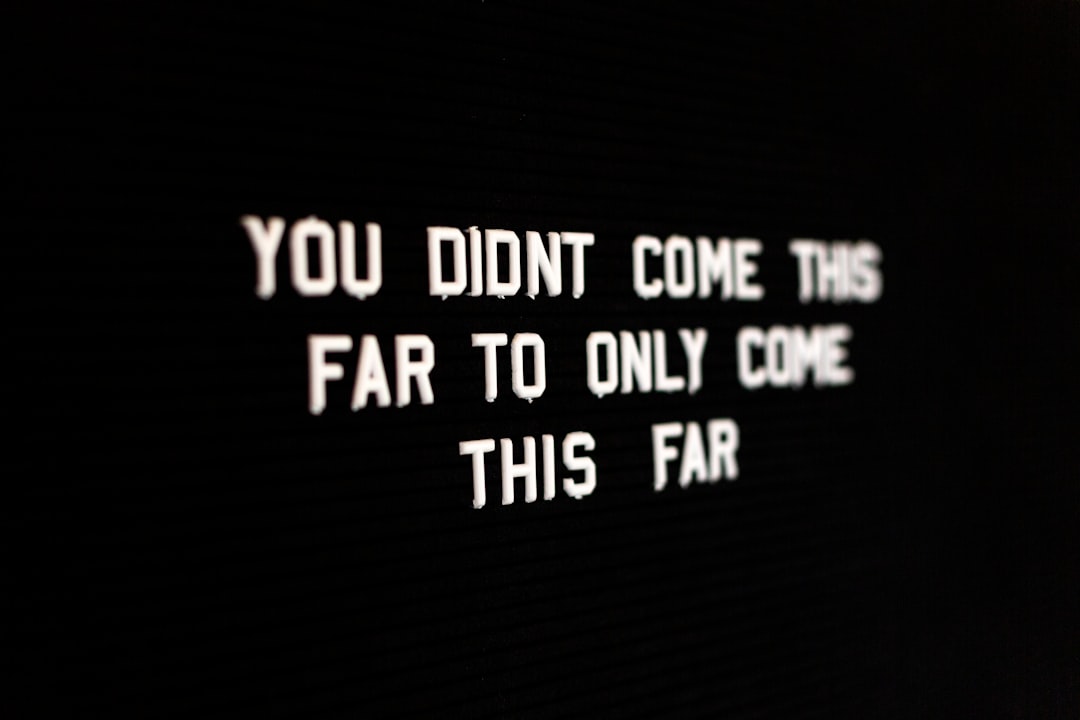
Choosing a quotation for a presentation, essay, or speech is less about finding the most famous line and more about finding the right evidence, tone, and connection. This practical checklist helps you evaluate candidate quotes, match them to your purpose and audience, verify the wording and attribution, and introduce the final choice naturally.
Overview
A strong quotation does useful work. It may define an idea, provide evidence, create an emotional opening, clarify a transition, or give the audience a memorable final thought. A weak quotation, by contrast, can feel decorative: it sounds impressive but does not advance the argument or help listeners understand the subject.
Before searching, write the central point of your presentation, essay, or speech in one sentence. Then decide what role the quotation should play. This prevents an attractive line from taking over your structure simply because it is easy to remember.
- State the purpose. Are you explaining, arguing, motivating, commemorating, or reflecting?
- Describe the audience. Consider their knowledge, expectations, age, setting, and likely concerns.
- Choose the quotation’s job. A quote should open, support, connect, or conclude a specific part of the work.
- Search for meaning before fame. Look for language that directly relates to your point rather than selecting a quote only because its author is well known.
- Verify before using. Check the exact wording, speaker or author, original context, and source.
- Write your explanation. Introduce the quote and explain why it matters. Never assume the quotation can speak for itself.
For citation details, attribution formats, and verification steps, see How to Verify and Attribute Quotes. If punctuation or quotation marks are causing uncertainty, the Quotation Marks Explained guide offers a useful reference.
Checklist by scenario
The best quote for a presentation may not be the best quote for an essay. Medium, purpose, and placement affect the choice. Use the table below to identify the qualities to prioritize.
| Use | What the quotation should do | What to look for | How to follow it |
|---|---|---|---|
| Opening hook | Create interest and introduce the subject | Clear, relevant language that does not require a long explanation | Connect it immediately to your topic and purpose |
| Evidence in an essay | Support or complicate a claim | Precise wording, credible context, and a direct relationship to your argument | Analyze specific words and explain how they support your point |
| Presentation slide | Focus attention on one idea | Short, readable text with strong visual clarity | Keep the slide uncluttered and explain the quote aloud |
| Speech transition | Move the audience from one idea to the next | A line that links the previous point with the next section | Name the connection instead of leaving listeners to infer it |
| Reflective ending | Leave the audience with a considered final thought | Language that echoes the main message without overstating it | Return to your central idea and end with purpose |
For an opening hook
Choose a quotation that establishes the subject quickly. Avoid an opening that is so broad it could introduce almost any topic. After the quote, use one or two sentences to identify its relevance: “This idea matters to our discussion because…” A short quotation is often easier to deliver and more effective than a long passage.
For an essay
Use quotations as evidence, not as substitutes for your own reasoning. Introduce the author or source, provide only the wording needed for your claim, and analyze it afterward. A useful pattern is context, quotation, interpretation. If the passage is too long, consult How to Shorten a Quote Correctly before editing it.
For a speech or presentation
Favor quotations that sound natural when spoken. Read each candidate aloud at a comfortable pace. Notice whether the sentence is easy to understand on first hearing, whether its rhythm fits your delivery, and whether unfamiliar names or terms need explanation. On slides, use enough text for attribution and context, but do not make the audience read a paragraph while listening to you.
For different audiences
Match the tone to the setting. A classroom presentation may benefit from a concise, clearly sourced quotation; a commemorative speech may allow more emotional language; a professional presentation usually needs direct relevance and restrained phrasing. Ask whether the quote respects the audience’s experience and whether its assumptions fit the occasion.
| Audience or setting | Selection priority | Question to ask |
|---|---|---|
| Students or classroom | Clarity and teachable context | Can listeners understand the line and learn from its source? |
| General public | Accessibility and immediate relevance | Will the meaning be clear without specialist knowledge? |
| Professional audience | Evidence and precision | Does the quotation contribute something specific to the decision or discussion? |
| Personal or ceremonial event | Warmth and emotional fit | Does the tone honor the moment without sounding forced? |
A reusable quote-evaluation worksheet
For each candidate, record the following:
- Exact wording: Copy it accurately, including punctuation.
- Author and source: Note where the words appeared and who said or wrote them.
- Purpose: Opening, evidence, transition, or ending?
- Connection: Which sentence, claim, or theme does it support?
- Audience fit: Is the tone and difficulty appropriate?
- Delivery test: Can it be read clearly aloud or displayed legibly?
- Explanation: What will you say immediately before and after it?
- Confidence: Have you checked the source and attribution?
Score each candidate from one to five for relevance, clarity, credibility, audience fit, and usefulness. The highest total is not automatically the winner, but the scoring makes hidden trade-offs visible.
What to double-check
Quotation selection is also a verification task. Search results and social posts may repeat unattributed, shortened, or misquoted lines. Check the wording against a reliable primary or reference source when possible. Confirm that the person named actually said or wrote it, and read enough surrounding context to ensure the quote has not been given a misleading meaning.
Check whether your assignment, institution, publisher, or event requires a particular citation style. Include the author’s name and enough source information for the audience to identify the quotation. In a speech, attribution can be concise: “In her essay on public memory, the historian writes…” In an essay, use the required in-text citation and reference details.
Review edits carefully. Ellipses, brackets, capitalization changes, and translated wording can affect meaning. If you are using a quotation in a video, caption, or public post, also consider readability: high contrast, a readable size, and enough time for viewers to process the text. For copyright and permission questions, consult Can I Use This Quote?
Finally, test the quote in its actual setting. A line that looks elegant on a page may be difficult to hear, pronounce, or fit on a slide. Time the introduction, quote, and explanation together so the quotation supports the presentation rather than interrupting it.
Common mistakes
- Choosing fame over relevance: A familiar quotation is not automatically evidence for your point.
- Using a quote without analysis: Explain what the words mean in your argument and why they belong there.
- Starting with a quotation that needs a biography: If the audience must hear several minutes of context before understanding the line, choose a clearer option.
- Taking words out of context: Read the surrounding passage and consider the original speaker’s purpose.
- Overloading the work: Several quotations can compete with your voice. Give each one a defined job.
- Ignoring spoken delivery: A sentence that is visually attractive may be too long or abstract to understand when heard once.
- Forgetting attribution: Unclear credit weakens trust and makes the quotation difficult to verify.
- Editing carelessly: Shortening a quotation without preserving its meaning can distort the source.
When to revisit
Return to this checklist whenever you prepare a new essay, lesson, presentation, speech, video script, or caption. Revisit it especially when the audience changes, the quotation moves from a written format to a spoken one, or the purpose shifts from informing to persuading or commemorating.
Before finalizing, complete this five-minute review:
- Write the main point in one sentence.
- Label the quotation’s role: hook, evidence, transition, or conclusion.
- Read the quotation aloud and remove any unnecessary length.
- Verify the exact wording, attribution, context, and required citation.
- Draft one sentence before it and one sentence after it.
Update your process when your school, publisher, platform, or event changes its citation or accessibility expectations. Refresh saved examples and reference links periodically, particularly before a new planning cycle. The goal is not to collect the most quotations; it is to select one that is accurate, purposeful, understandable, and genuinely connected to what you want your audience to remember.